
Catalog

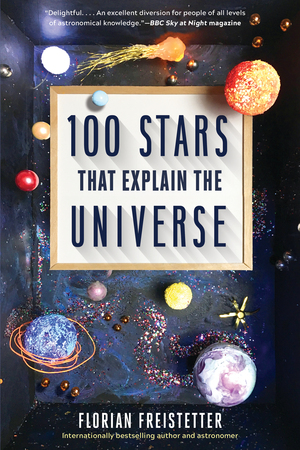
Our own Sun—a source of awe, myth, and mystery for untold generations of sky-gazers—is just one of roughly two hundred billion trillion stars. Together, they’re a window into the profoundest questions in physics—overturning, again and again, how we understand light, matter, time, … Continue reading →
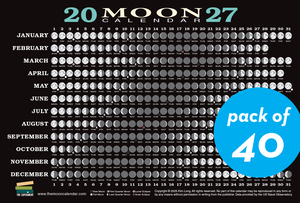
This is the 45th edition of Kim Long’s classic Moon Calendar, the first of its kind and a fan favorite since 1982. With a graphic, at-a-glance 2027 lunar calendar on the front and easy-to-read, detailed data provided by the US … Continue reading →
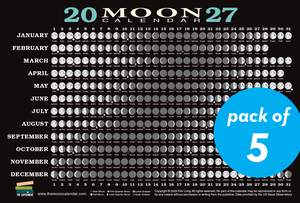
This is the 45th edition of Kim Long’s classic Moon Calendar, the first of its kind and a fan favorite since 1982. With a graphic, at-a-glance 2027 lunar calendar on the front and easy-to-read, detailed data provided by the US … Continue reading →
In our unique genomes, every one of us carries the story of our species—births, deaths, disease, war, famine, migration, and a lot of sex. But those stories have always been locked away—until now. Who are our ancestors? Where did they … Continue reading →
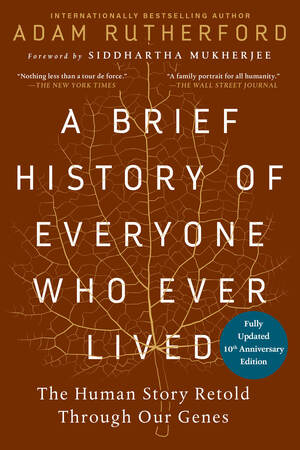
In our unique genomes, every one of us carries the story of our species—births, deaths, disease, war, famine, migration, and a lot of sex. But those stories have always been locked away—until now. Who are our ancestors? Where did they … Continue reading →
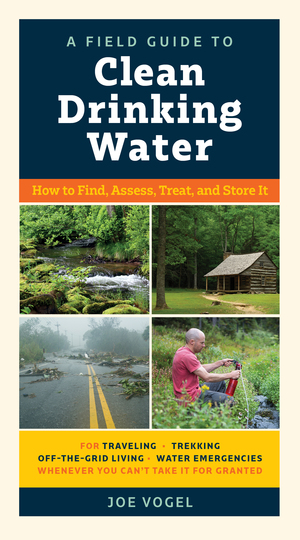
Clean drinking water may be the last thing we think about day to day—but it’s the first thing we need in an emergency. Now, survival expert and biologist Joe Vogel explains how to find, treat, and store safe drinking water—even … Continue reading →
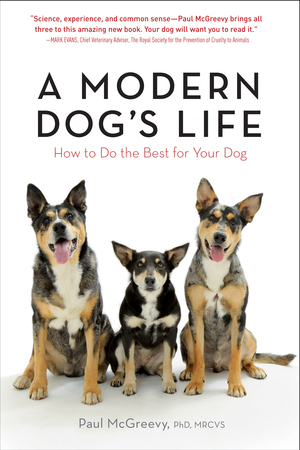
What do dogs value? Why do they get so excited by their daily walks? And why may dogs of different breeds have different needs? Veterinarian, professor of animal behavior, and dog lover Dr. Paul McGreevy answers these questions and many … Continue reading →
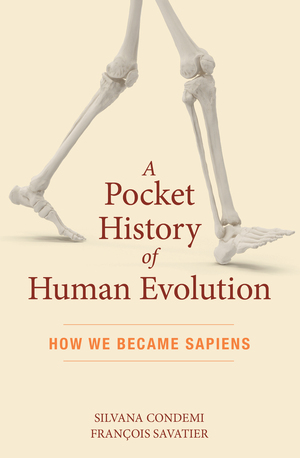
Prehistory has never been more exciting: New discoveries are overturning long-held theories left and right. Stone tools in Australia date back 65,000 years—a time when, we once thought, the first Sapiens had barely left Africa. DNA sequencing has unearthed a … Continue reading →

From Kings and Emperors to Macaronis and Rockhoppers, penguins are one of the most immediately recognizable animals on Earth. Yet for all that familiarity, what do we really know about them? All the World’s Penguins follows award-winning travel writer Jamie … Continue reading →
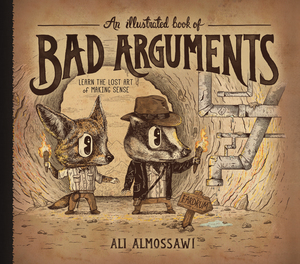
From the author of An Illustrated Book of Loaded Language, here’s the antidote to fuzzy thinking, with furry animals! Have you read (or stumbled into) one too many irrational online debates? Ali Almossawi certainly had, so he wrote An Illustrated … Continue reading →
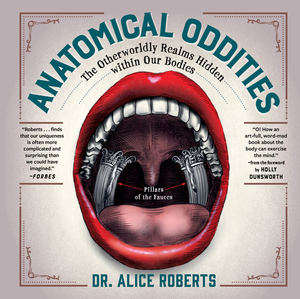
Did you know you have cobwebs in your head, hair in your lungs, and snails in your ears? In the world of anatomy, every name paints a picture: from the arachnoid mater, a brain membrane resembling a spider’s web, to the ciliated … Continue reading →
We’ve all grown so used to living in a world filled with wonders that we sometimes forget to wonder about them: What creates the wind? Do fish sleep? Why do we blink? These are common phenomena, but it’s a rare … Continue reading →
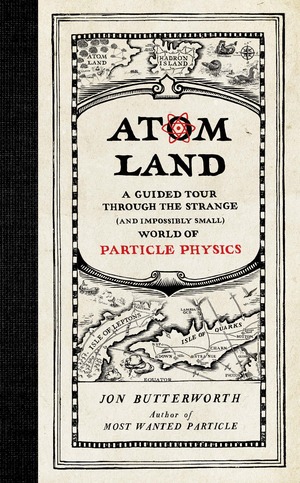
Welcome to Atom Land, the impossibly small world of quantum physics. With award–winning physicist Jon Butterworth as your guide, you’ll set sail from Port Electron in search of strange new terrain. Each discovery will expand the horizons of your trusty … Continue reading →
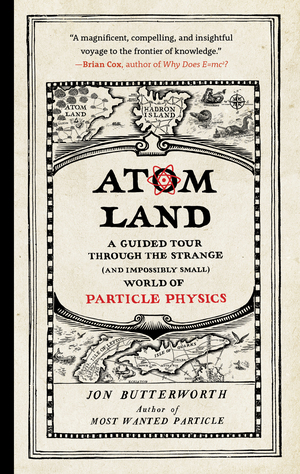
Welcome to Atom Land, a subatomic realm governed by the laws of particle physics. Here, electromagnetism is a highway system; the strong force, a railway; the weak force, an airline. With award-winning physicist Jon Butterworth as your guide, you’ll set … Continue reading →
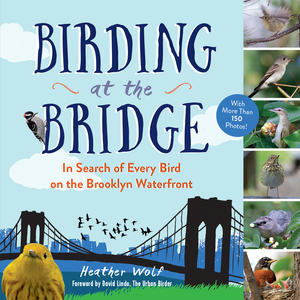
The Brooklyn Bridge once overshadowed a decaying industrial waterfront, but today it points the way to a new green oasis: Brooklyn Bridge Park. When avid birder Heather Wolf moved from tropical Florida to a nearby apartment, she wondered how many … Continue reading →
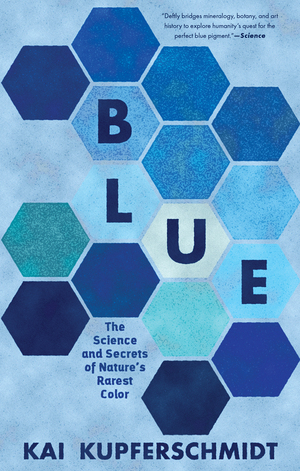
Blue is our favorite color globally—the darling of artists since the time of the pharaohs. So it’s startling to turn to the realms of nature and discover that “true” blue is truly rare. The sea and sky are blue, but … Continue reading →
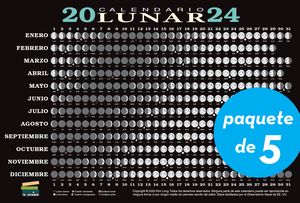
Tarjeta de referencia resistente y práctica de 10 x 6.75 pulgadas Al frente: calendario lunar con imágenes realistas de la Luna Al dorso: fechas y horas de cada cambio de fase, eclipse, apogeo y perigeo 5 copias que puede guardar … Continue reading →

In the fifteenth century, as astronomers charted the skies and explorers mapped the globe, the nature of life itself remained a mystery. It wasn’t until the seventeenth century that Robert Hooke, looking through one of the earliest microscopes, coined the … Continue reading →
Award-winning writer Mary Ellen Hannibal has long reported on scientists’ efforts to protect vanishing species, but it was only through citizen science that she found she could take action herself. As she wades into tide pools, spots hawks, and scours … Continue reading →
Here is a wide-ranging adventure in becoming a citizen scientist by an award-winning writer and environmental thought leader. As Mary Ellen Hannibal wades into tide pools, follows hawks, and scours mountains to collect data on threatened species, she discovers the … Continue reading →
Two hundred days orbiting Earth on the International Space Station. Five years working and training with the aerospace community across the world. A lifetime of choices leading to the stars. These are the components of Samantha Cristoforetti’s dream, a dream … Continue reading →
Earth stands at a tipping point. As we fail to curtail emissions fast enough, our planet stares down a cascade of imminent, catastrophic, and irreversible disaster triggered by climate change. Yet a potent technology already exists to buy us more … Continue reading →
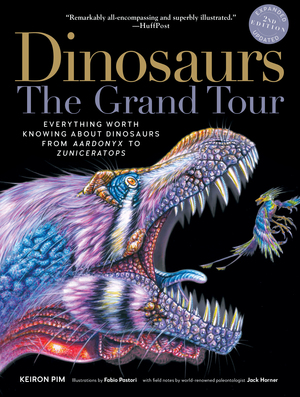
We live in a golden age of paleontological discovery—on average, we find one new dinosaur species per week. The most fascinating among them take their place in this updated edition of Dinosaurs—The Grand Tour; from Aardonyx, a lumbering beast that … Continue reading →
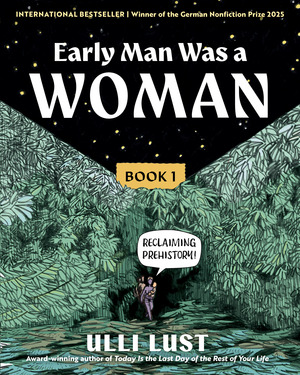
History is written by the victors, and the victors are men. This assumption colors our view of every past era: The fittest survive. The strongest rule. “Human nature” is intrinsically warlike. The record tells a different story. Across the globe, over … Continue reading →
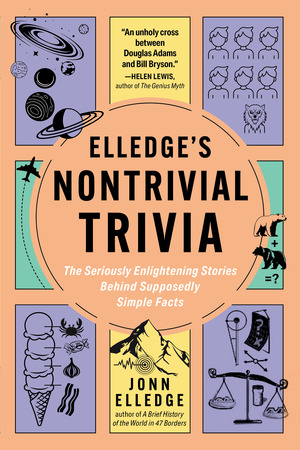
This illuminating compendium follows the captivating stories behind far-ranging facts, wherever they lead. No topic is too trivial for serious consideration, from how one might determine the most average-size country in the world to determining who would win in a … Continue reading →
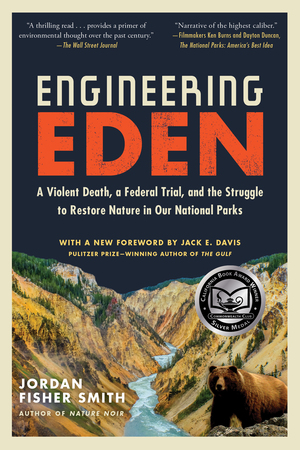
In the summer of 1972, 25-year-old Harry Eugene Walker hitchhiked away from his family’s northern Alabama dairy farm to see America. Nineteen days later he was killed by an endangered grizzly bear in Yellowstone National Park. The ensuing civil trial, … Continue reading →
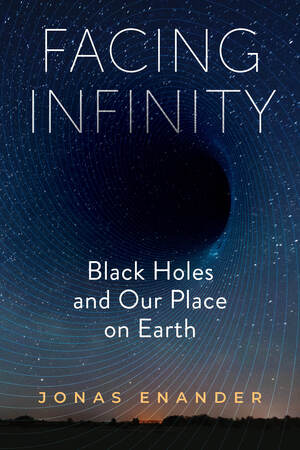
Humanity’s relationship with black holes began in 1783 in a small English village, when clergyman John Michell posed a startling question: What if there are objects in space that are so large and heavy that not even light can escape … Continue reading →
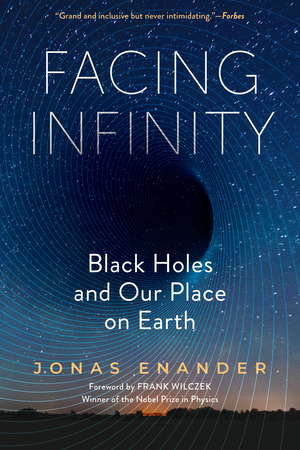
Humanity’s relationship with black holes began in 1783 in a small English village, when clergyman John Michell posed a startling question: What if there are objects in space that are so large and heavy that not even light can escape … Continue reading →
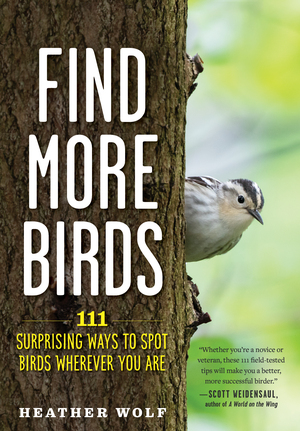
Seeing more birds than you ever imagined and witnessing exciting avian drama is possible—whether you’re on the go or in your own neighborhood, local park, or backyard. As Heather Wolf explains, it all comes down to how you tune in … Continue reading →
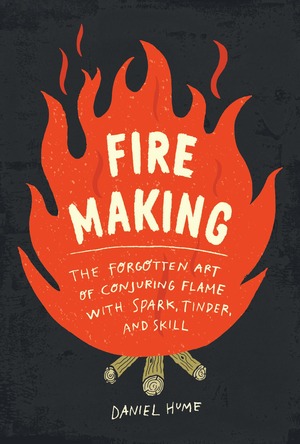
If you ask outdoorsman Daniel Hume for the fastest, most practical way to start a fire, he’ll tell you: Use a match. But he probably won’t stop there. For Hume, conjuring flame is an art form, and seeking out the … Continue reading →
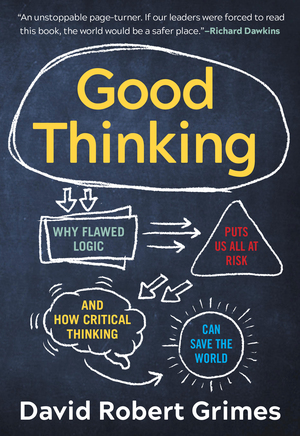
In our ever-more-polarized society, there’s at least one thing we still agree on: The world is overrun with misinformation, faulty logic, and the gullible followers who buy into it all. Of course, we’re not among them—are we? Scientist David Robert … Continue reading →
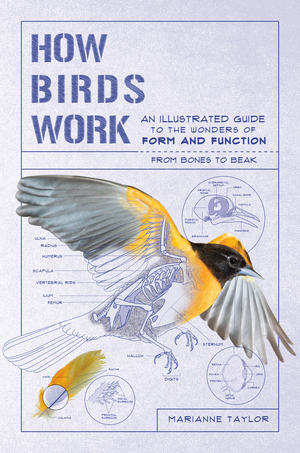
How Birds Work goes beyond the typical field guide to show us not only what birds look like but why. Why do many owls have asymmetrical ear openings? (Hint: It helps them pinpoint prey; see page 40.) And why does … Continue reading →
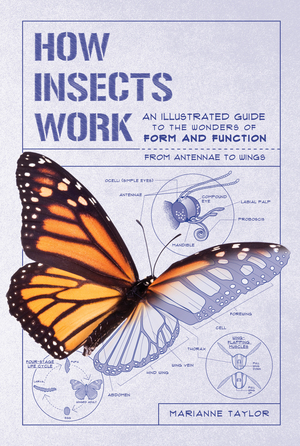
How Insects Work goes beyond the typical field guide to show us not only what insects look like but why. Arguably the most successful land animals—still going strong after five mass extinctions—insects have evolved a spectacular array of real-life superpowers … Continue reading →
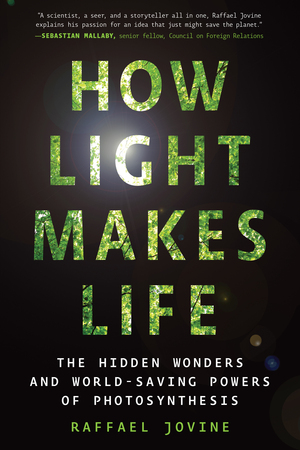
It’s a clunky word for a miracle: Photosynthesis. But there’s no life on Earth without it. For biologist Raffael Jovine, it’s a consuming passion, a great unsung force of nature. He makes his case in How Light Makes Life, a … Continue reading →
Racist pseudoscience has become so commonplace that it can be hard to spot. But its toxic effects on society are plain to see—feeding nationalism, fueling hatred, endangering lives, and corroding our discourse on everything from sports to intelligence. Even well-intentioned … Continue reading →
Race is not a biological reality. Racism thrives on our not knowing this. In fact, racist pseudoscience has become so commonplace that it can be hard to spot. But its toxic effects on society are plain to see: rising nationalism, … Continue reading →
In our post-truth world, there’s only one place to turn to if we want to live in reality: science. And the research on climate change is clear: It’s real, it threatens us all, and human activity is the primary cause. … Continue reading →
How to Love the Universe is a new kind of science writing by an author truly enamored of the world around him. In ten short chapters of lyrical prose—each one an ode to a breathtaking realm of discovery—Stefan Klein uses … Continue reading →
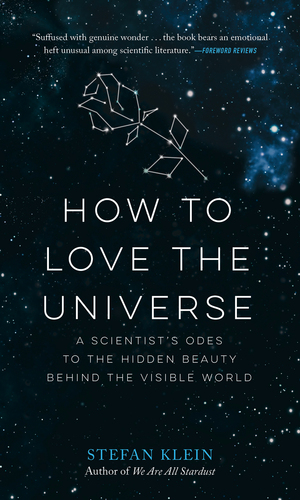
How to Love the Universe shows us how everyday objects and events can reveal some of the deepest mysteries in all of science. In ten eye-opening chapters of lyrical prose, Stefan Klein contemplates time, space, dark matter, and more, encouraging … Continue reading →
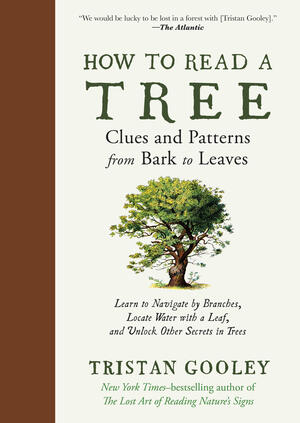
Trees tell a story, but only to those who know how to read it. They hold secrets about the land, the water, the people, the animals, the weather, time—and their own lives, the good and bad. In How to Read … Continue reading →
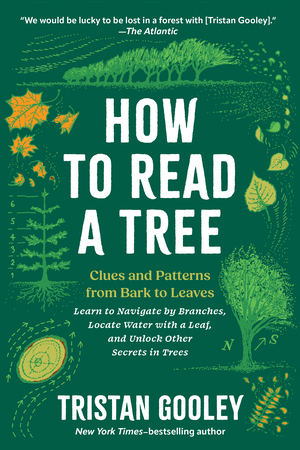
Trees tell a story, but only to those who know how to read it. They hold secrets about the land, the water, the people, the animals, the weather, time—and their own lives, the good and bad. In How to Read … Continue reading →
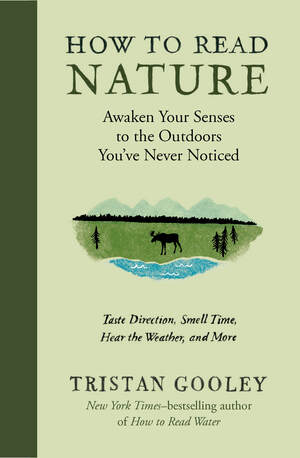
When most of us go for a walk, a single sense—sight—tends to dominate our experience. But when New York Times–bestselling author and expert navigator Tristan Gooley goes for a walk, he uses all five senses to “read” everything nature has … Continue reading →
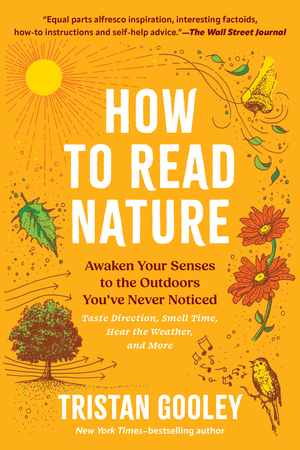
When most of us go for a walk, a single sense—sight—tends to dominate our experience. But when New York Times–bestselling author and expert navigator Tristan Gooley goes for a walk, he uses all five senses to “read” everything nature has … Continue reading →
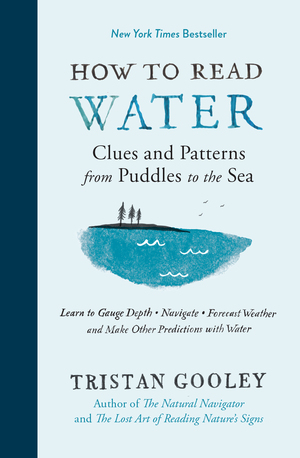
From oceans to puddles, lakes to streams, rain to fog, our planet is covered in water of all kinds. And once you learn to read water’s hidden clues the way writer and navigator Tristan Gooley can, the world becomes a … Continue reading →
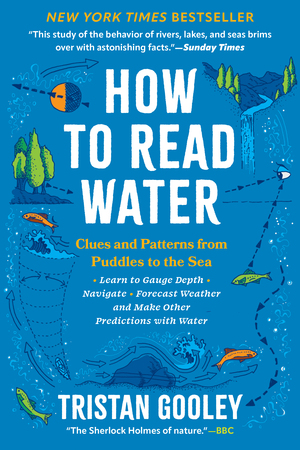
From oceans to puddles, lakes to streams, rain to fog, our planet is covered in water of all kinds. And once you learn to read water’s hidden clues the way writer and navigator Tristan Gooley can, the world becomes a … Continue reading →
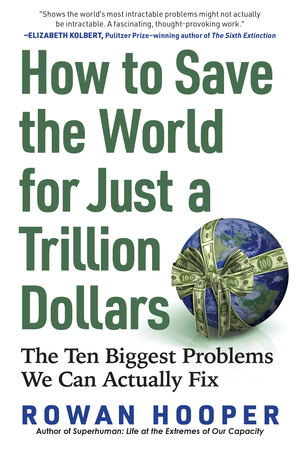
If we can come up with a trillion dollars to bail out banks, imagine what else we could do. Science journalist Rowan Hooper decided to find out, speaking with experts of all kinds about ten incredibly ambitious projects that— if … Continue reading →
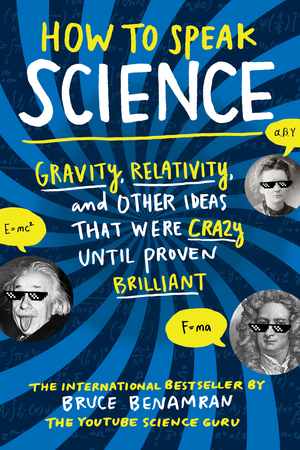
As smartphones, supercomputers, supercolliders, and AI propel us into an ever more unfamiliar future, How to Speak Science takes us on a rollicking historical tour of the greatest discoveries and ideas that make today’s cutting–edge technologies possible. Wanting everyone to … Continue reading →
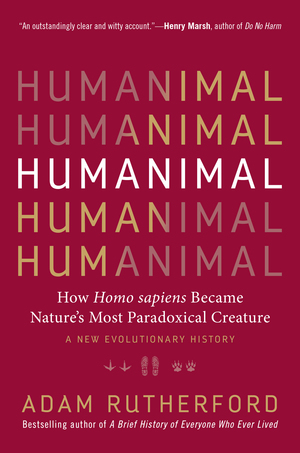
Publisher’s note: Humanimal was published in the UK under the title The Book of Humans. Evolutionary theory has long established that humans are animals: Modern Homo sapiens are primates who share an ancestor with monkeys and other great apes. Our … Continue reading →
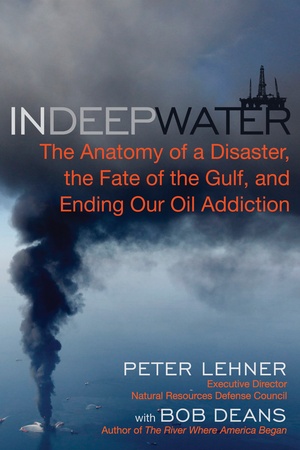
When Deepwater Horizon’s well blew out on April 20, 2010, the resulting explosion claimed eleven lives. Over the next two months, an estimated 200 million gallons of crude oil spewed into the Gulf of Mexico, a haven of biodiversity and … Continue reading →
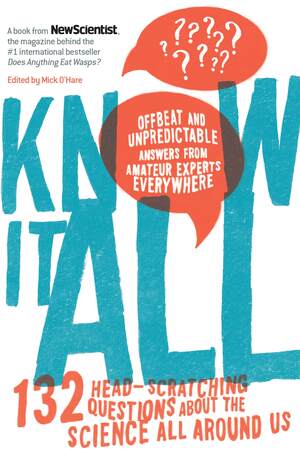
New Scientist magazine’s beloved “Last Word” column is a rare forum for “un-Google-able” queries: Readers write in, and readers respond! Know It All collects 132 of the column’s very best Q&As. The often-wacky questions cover physics, chemistry, zoology and beyond: … Continue reading →

When the sun sets, things start to get interesting among wild animals. Wherever we live, whether in the city or suburbs or country, darkness conjures a hidden world of wildlife that most of us rarely glimpse. Foxes, wolves, and bears … Continue reading →
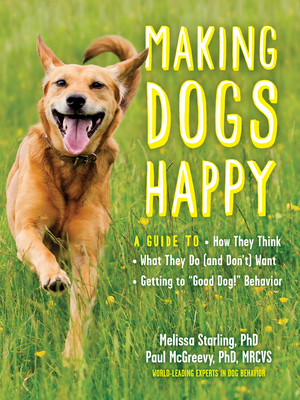
“Why does my dog do that?” It’s a question every dog owner has asked—whether their best friend is growling at an unseen foe, or rolling in an objectionable scent. Now, world-leading canine experts and fellow dog-lovers Melissa Starling and Paul … Continue reading →
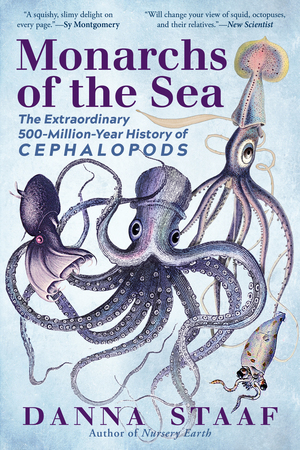
Cephalopods, Earth’s first truly substantial animals, are still among us: Their fascinating family tree features squid, octopuses, nautiluses, and more. The inventors of swimming, cephs presided over the sea for millions of years. But when fish evolved jaws, cephs had … Continue reading →
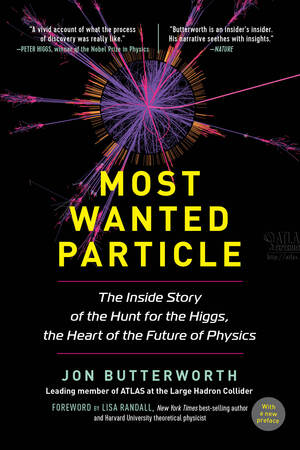
Particle physics as we know it depends on the Higgs boson: It’s the missing link between the birth of our universe—as a sea of tiny, massless particles—and the tangible world we live in today. But for more than 50 years, … Continue reading →
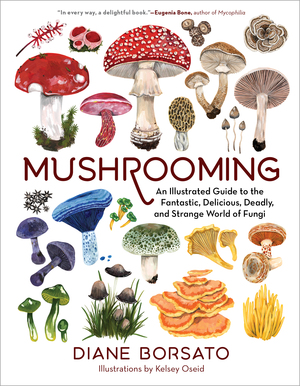
An incredible diversity of fungi is flourishing all around us, not just in the forest but in parks, markets, and even museums. Once you know how to look, you can find mushrooms named after fairies and demons, mushrooms that look … Continue reading →
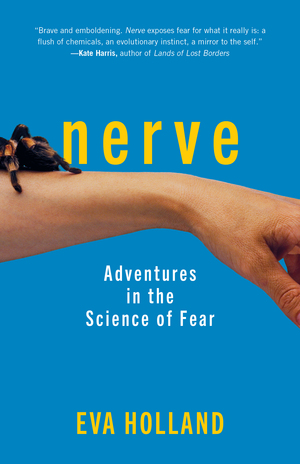
Frozen in terror during a mountain descent, award-winning journalist Eva Holland reaches her breaking point. Since childhood, she’s been gripped by two debilitating phobias: fear of losing her mother, and fear of heights. The worst has already happened: Eva’s mother … Continue reading →
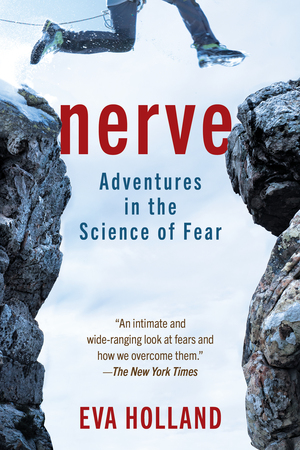
Since childhood, Eva Holland has been gripped by two debilitating phobias: fear of losing her mother and fear of heights. When the worst comes to pass with her mother’s sudden death in 2015, followed by an ice-climbing expedition that ends … Continue reading →
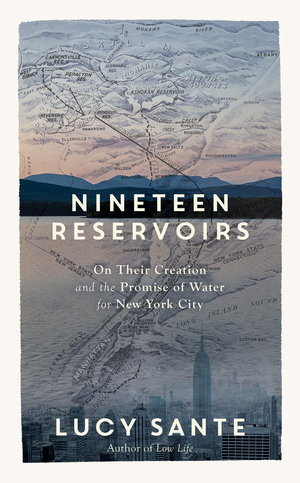
From 1907 to 1967, a network of reservoirs and aqueducts was built across more than one million acres in upstate New York, including Greene, Delaware, Sullivan, and Ulster Counties. This feat of engineering served to meet New York City’s ever-increasing … Continue reading →
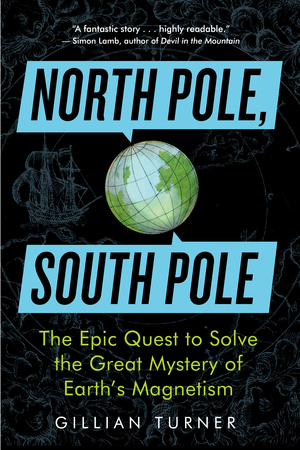
Why do compass needles point north—but not quite north? What guides the migration of birds, whales, and fish across the world’s oceans? How is Earth able to sustain life under an onslaught of solar wind and cosmic radiation? For centuries, … Continue reading →
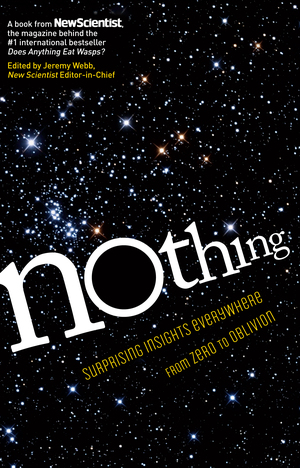
It turns out that almost nothing is as curious—or as enlightening—as, well, nothing. What is nothingness? Where can it be found? The writers of the world’s top-selling science magazine investigate—from the big bang, dark energy, and the void to superconductors, … Continue reading →
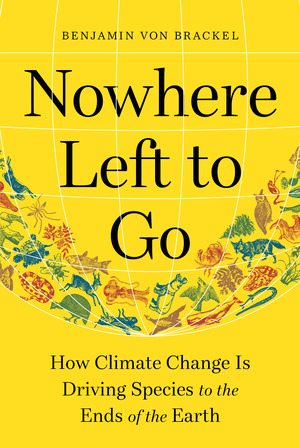
As humans accelerate global warming while laying waste to the environment, animals and plants must flee to the margins: on scattered nature reserves, between major highways, or among urban sprawl. And when even these places become too hot and inhospitable, … Continue reading →
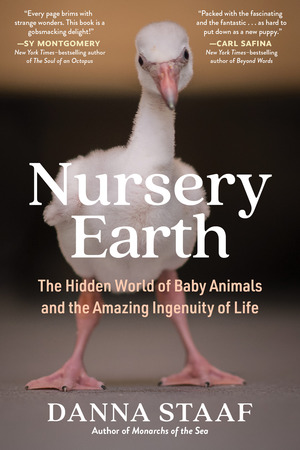
Entire ecosystems rest on the shoulders (or tentacles, or jointed exoskeletons) of animal babies; it’s time we paid them more attention. In Nursery Earth, researcher Danna Staaf invites readers to explore these tiny, secret lives, revealing some of nature’s strangest … Continue reading →
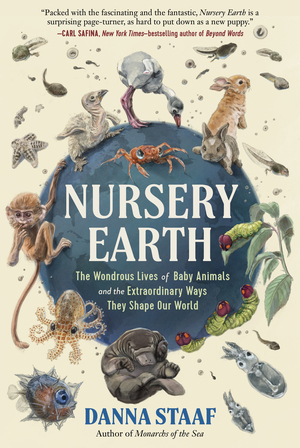
It’s time to pay attention to baby animals. From egg to tadpole, chick to fledgling, they offer scientists a window into questions of immense importance: How do genes influence health? Which environmental factors support—or obstruct—life? Entire ecosystems rest on the … Continue reading →
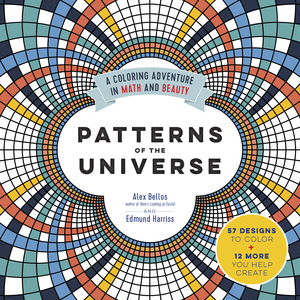
Publisher’s note: Patterns of the Universe was previously published under the title Snowflake, Seashell, Star. Contemplate the Patterns of the Universe as you color! Math is at the heart of many natural wonders and has an abstract beauty all its … Continue reading →
Publisher’s note: Planet of the Ants was previously published in hardcover as Empire of Ants. Ants number in the ten quadrillions, and they have been here since the Jurassic era. Inside an anthill, you’ll find high drama worthy of a … Continue reading →
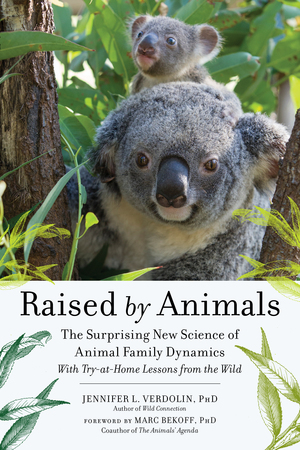
When it comes to family matters, do humans know best? Leading animal behaviorist Dr. Jennifer Verdolin argues otherwise in this eye-opening book. Welcome to the wild world of raising a family in the animal kingdom . . . sometimes shocking, … Continue reading →
In Sightlines, Kathleen Jamie reports from the field—from her native Scottish “byways and hills” to the frigid Arctic in fourteen enthralling essays. She dissects whatever her gaze falls upon—vistas of cells beneath a hospital microscope, orcas rounding a headland, the … Continue reading →
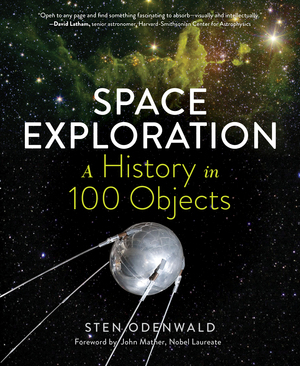
Within the pages of this eclectic pop-history, scientist and educator Sten Odenwald at NASA examines 100 objects that forever altered what we know and how we think about the cosmos. From Sputnik to Skylab and Galileo’s telescope to the Curiosity … Continue reading →
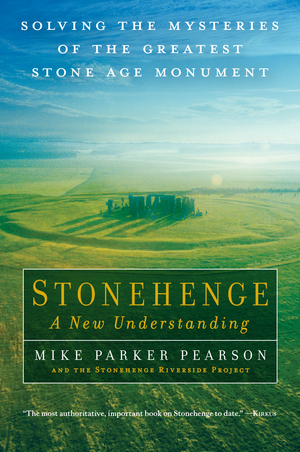
Stonehenge stands as an enduring link to our prehistoric ancestors, yet the secrets it has guarded for thousands of years have long eluded us. Until now, the millions of enthusiasts who flock to the iconic site have made do with … Continue reading →
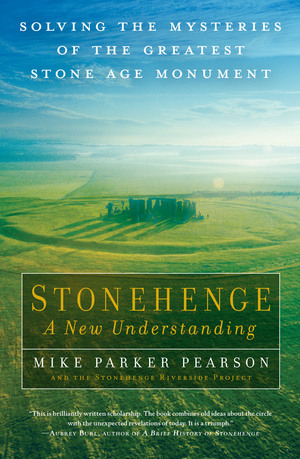
Despite its being one of prehistory’s most alluring landmarks, before the Stonehenge Riverside Project led by noted archeologist Mike Parker Pearson, only half of Stonehenge itself—and far less of its surroundings—had ever been investigated, and many records from previous digs … Continue reading →
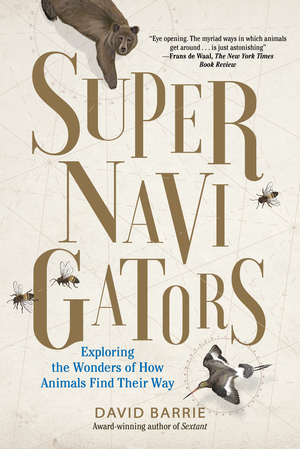
Publisher’s note: Supernavigators was published in the UK under the title Incredible Journeys. Animals plainly know where they’re going, but how they get there has remained surprisingly mysterious—until now. In Supernavigators, award-winning author David Barrie catches us up on the … Continue reading →
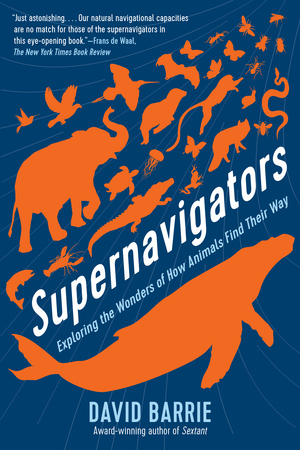
Animals plainly know where they’re going, but how they know has remained a stubborn mystery—until now. Supernavigators is a globe-trotting voyage of discovery alongside astounding animals of every stripe: dung beetles that steer by the Milky Way, box jellyfish that … Continue reading →
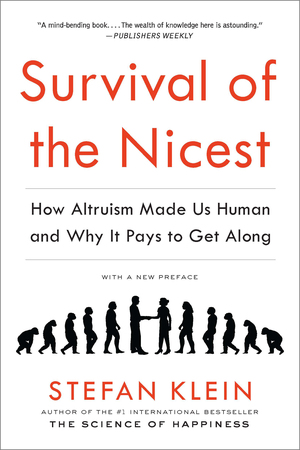
The phrase “survival of the fittest” conjures an image of the most cutthroat individuals rising to the top. But Stefan Klein, author of the #1 international bestseller The Science of Happiness, makes the startling assertion that altruism is the key … Continue reading →
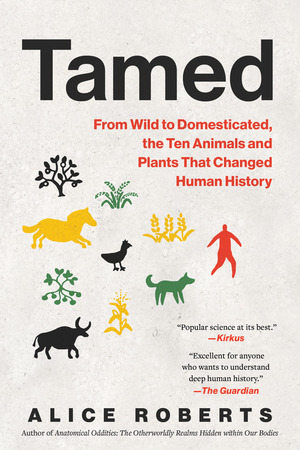
Dogs became our companions. Wheat fed booming populations. Cattle gave us meat and milk. Corn fueled the growth of empires. Potatoes brought feast and famine. Chickens inspired new branches of science. Rice promised a golden future. Horses gave us strength … Continue reading →
For millennia, we have looked up at the stars and wondered whether we are alone in the universe, but in the last few years—as our probes begin to escape the solar system, and our telescopes reveal thousands of Earthlike planets—scientists … Continue reading →

The cartoon duo from the popular biology YouTube channel, Amoeba Sisters, have turned essential vocabulary into flash cards, featuring a memorable cartoon on the front to help connect with the simplified definition on the back. If you’re struggling to study … Continue reading →

Science facts made memorable. From the dynamic sister duo behind the beloved Amoeba Sisters YouTube channel, this visual learning book features 24 major educational concepts commonly taught in life sciences courses, including: biomolecules cell structure and function cell processes* genetics ecology, … Continue reading →
Publisher’s Note: The Book of Humans was previously published in hardcover as Humanimal. In this new evolutionary history, geneticist Adam Rutherford explores the profound paradox of the human animal. Looking for answers across the animal kingdom, he finds that many … Continue reading →
Some elements get all the attention: glittering gold, radioactive uranium—materials we call “precious” because they are so rare. But what could be more precious than the building blocks of life—from the oxygen in our air to the carbon in all … Continue reading →
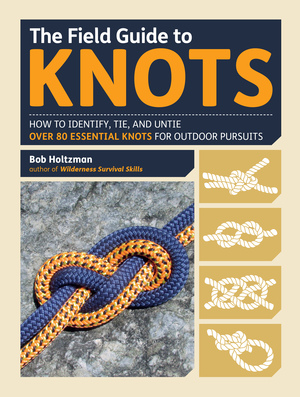
The perfect knot can make any job quicker, easier, and safer—whether you need to build a shelter, tether a horse, rappel down a cliff, or moor a boat. In The Field Guide to Knots, veteran outdoorsman Bob Holtzman helps you: … Continue reading →
It’s the question on everyone’s mind, given teenagers’ captive attention to videogames and the media’s tendency to scapegoat them. It’s also—if you ask clinical psychologist Alexander Kriss—the wrong question. In his therapy office, Kriss looks at videogames as a window … Continue reading →
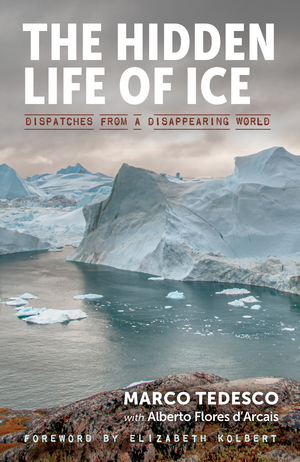
Marco Tedesco is a world-leading expert on Arctic ice decline and climate change. In The Hidden Life of Ice, he invites us to Greenland, where he and his fellow scientists are doggedly researching the dramatic changes afoot. Following the arc … Continue reading →

We all notice the flowers of spring, longer days of summer, colors of autumn, and snowfalls of winter. But have you observed the way that water tends to run clearest in June? Did you know that at the stroke of … Continue reading →
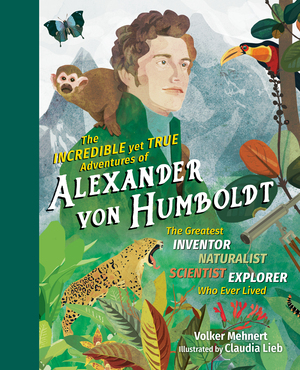
Explorer. Naturalist. All-around genius. Lost hero of science. In his time, Alexander von Humboldt (1769–1859) was world-famous. Why? He led one of the first major scientific expeditions into the South American rain forest and another into the wilds of Siberia. … Continue reading →
Do you know exactly how and why you age? And what you can do—whatever your current age—to slow that process and have a longer, healthier life? In The Longevity Code, medical doctor Kris Verburgh illuminates the biological mechanisms that make … Continue reading →
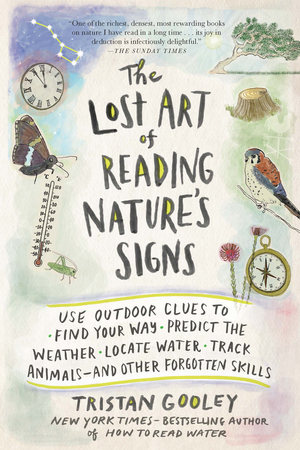
When writer and navigator Tristan Gooley journeys outside, he sees a natural world filled with clues. The roots of a tree indicate the sun’s direction; the Big Dipper tells the time; a passing butterfly hints at the weather; a sand … Continue reading →
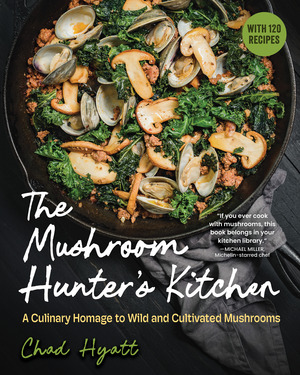
Whether you get your mushrooms from the supermarket or straight from the forest floor, The Mushroom Hunter’s Kitchen will help you make the most of your haul. Because the right cooking method can transform a mushroom from meh to mouthwatering, … Continue reading →
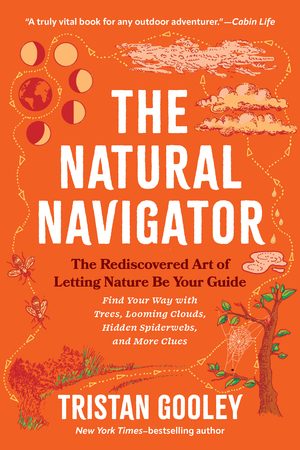
Before GPS, before the compass, and even before cartography, we found our way by outdoor clues hiding in plain sight. A windswept tree, the depth of a puddle, or a trill of birdsong could point the way home, and they … Continue reading →
Before GPS, before the compass, and even before cartography, we found our way by outdoor clues hiding in plain sight. A windswept tree, the depth of a puddle, or a trill of birdsong could point the way home, and they … Continue reading →
Readers of master outdoorsman Tristan Gooley have learned that the world is filled with clues to look for—we can use the Big Dipper to tell time, for example, and a budding flower to find south. But what about the innate … Continue reading →
Readers of master outdoorsman Tristan Gooley have learned that the world is filled with clues to look for—we can use the Big Dipper to tell time, for example, and a budding flower to find south. But what about the innate … Continue reading →
Philadelphia, 1959: A scientist scrutinizing a single human cell under a microscope detects a missing piece of DNA. That scientist, David Hungerford, had no way of knowing that he had stumbled upon the starting point of modern cancer research—the Philadelphia … Continue reading →
Philadelphia, 1959: A scientist scrutinizing a single human cell under a microscope detects a missing piece of DNA. That scientist, David Hungerford, had no way of knowing that he had stumbled upon the starting point of modern cancer research— the … Continue reading →
Quick: Picture the solar system. Do you see nine planets on tidy rings around the Sun? Then you have been lied to! It’s not without reason: We have to draw the solar system that way to fit it on a … Continue reading →
Countless cleaning hacks for every kind of household dirt may vie for our attention, but how do we know which ones really work and which ones will only leave you with a sticky mess that doesn’t actually do the job? … Continue reading →

In December 2010, scientists discovered a fragment of a finger bone in the remote, isolated Denisova Cave in Siberia. To their surprise, the bone contained neither Homo sapiens nor Neanderthal DNA. Rather, the fast-advancing science of paleogenetics revealed that the … Continue reading →
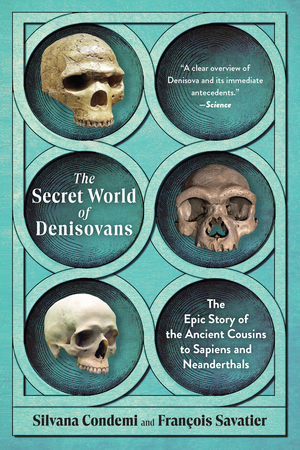
In 2010, archaeologists working in Denisova Cave, Siberia, unearthed a tiny fragment of finger bone—and brought a lost human species to light. Thanks to the modern miracle of DNA analysis, “Denisovans” quickly took their place—alongside Neanderthals—as our closest cousins. Since … Continue reading →
In this eye-opening trove of outdoor clues, bestselling author and navigator Tristan Gooley shows us how, by “reading” nature as he does, you’ll not only detect what the weather is doing (and predict what’s coming), you’ll enter a secret wonderland … Continue reading →
In this thrilling history, David Baker captures the longest-possible time span—from the Big Bang to the present day—in an astonishingly concise retelling. His impressive timeline includes the “rise of complexity” in the cosmos and the creation of the first atoms; … Continue reading →

Soil sustains life and is among Earth’s most essential natural resources. Nearly 60 percent of all species depend on soil for their survival, and almost all mammals depend on plants grown in soil. To many of us, it may seem … Continue reading →
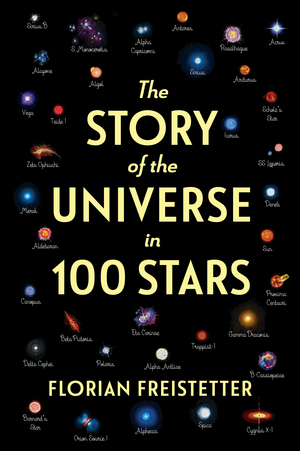
With roughly 100 billion stars in the Milky Way alone, the cosmos is simply too vast for an unabridged tell-all. But here’s the next best thing: 100 stars—bright and faint, near and far, famous and obscure, long dead and as-yet … Continue reading →
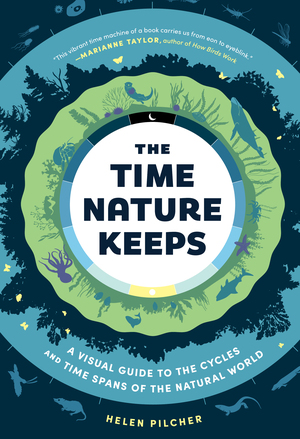
Take a visual journey of discovery through the animal and plant kingdoms—and uncover the extraordinary rhythms of nature! Here are the answers to all kinds of curious questions, including: How long do eggs take to hatch? Do dogs really need … Continue reading →
Clocks, compasses, GPS, and Google can only get us so far. In this special collection, lifelong wanderer and New York Times–bestselling author Tristian Gooley walks us through, book-by-book, the near-forgotten art of examining nature’s signs and patterns. Gooley begins to … Continue reading →
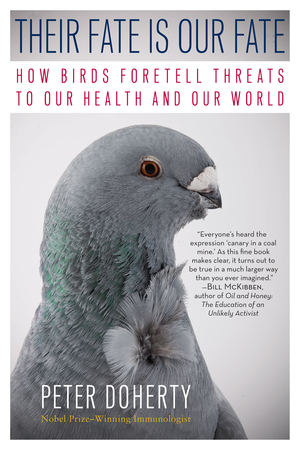
At the heart of this book by Nobel Prize–winning immunologist and professor Peter Doherty is this striking observation: Birds detect danger to our health and the environment before we do. Following a diverse cast of bird species around the world—from … Continue reading →
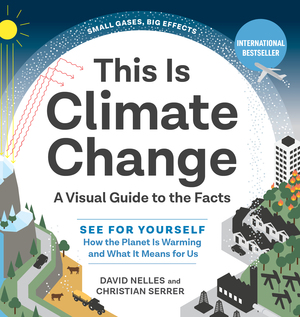
This Is Climate Change cuts straight to the facts, using infographics on every page to make the reality about our warming planet plain to see. How much do humans contribute to global warming? What do ever-more-frequent storms and floods mean … Continue reading →
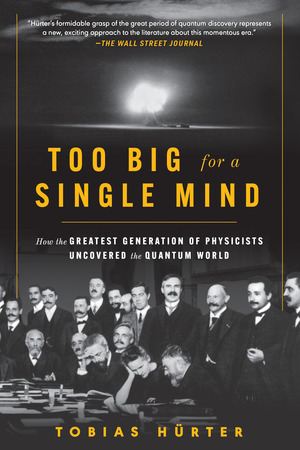
There may never be another era of science like the first half of the twentieth century, when a peerless cast of physicists—Albert Einstein, Marie Curie, Max Planck, Wolfgang Pauli, and others—came together to uncover the quantum world, a concept so … Continue reading →
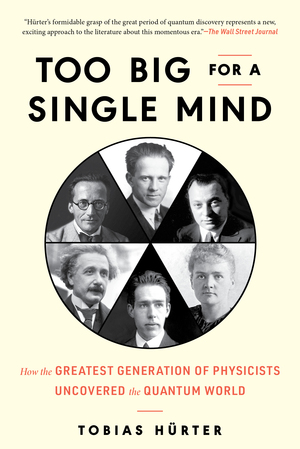
There may never be another era of science like the first half of the twentieth century, when a peerless cast of physicists—Albert Einstein, Marie Curie, Max Planck, Wolfgang Pauli, Niels Bohr, Werner Heisenberg, Erwin Schrödinger, and others—came together to uncover … Continue reading →
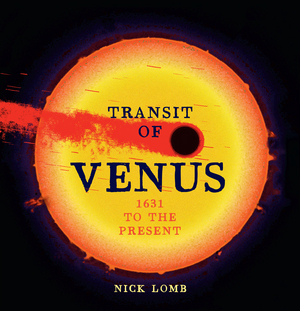
A transit of Venus is one of the rarest and most historically significant planetary alignments—since the invention of the telescope in 1608, there have been only seven. A must-have for all sky-watchers, Transit of Venus is packed with scientific and … Continue reading →
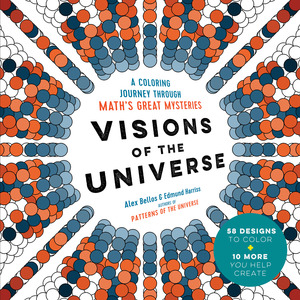
For curious minds throughout history, math was truly an art. In Visions of the Universe, you can pick up right where Isaac Newton, Blaise Pascal, and other luminaries left off—by coloring 58 exquisite patterns inspired by great discoveries in math: … Continue reading →
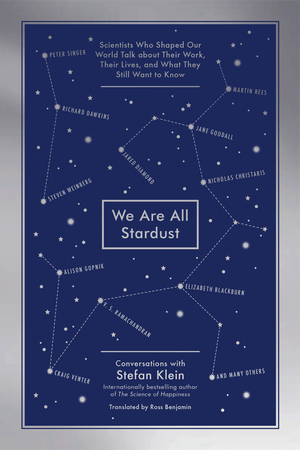
When acclaimed science writer Stefan Klein asks Nobel Prize– winning chemist Roald Hoffmann what sets scientists apart, Hoffmann says, “First and foremost, curiosity.” In this collection of intimate conversations with 19 of the world’s best-known scientists (including three Nobel Laureates), … Continue reading →
Every day, scientists conduct pioneering experiments with the potential to transform how we live. Yet it isn’t every day you hear from the scientists themselves! Now, award–winning author Jim Al–Khalili and his team of top-notch experts explain how today’s earthshaking … Continue reading →
At a breathtaking pace, artificial intelligence is getting better and faster at making complex decisions. AI can already identify malignant tumors on CT scans, give legal advice, out-bluff the best poker players in the world, and, with ever-increasing skill, drive … Continue reading →
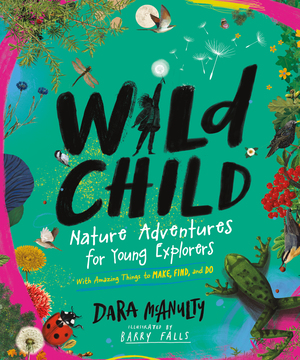
Nature is all around us to see, hear, and touch—in the leafy woods, by the sparkling water, or simply out the window. What will you discover? A chattering jay hiding an acorn, a butterfly with camouflaged wings? Perhaps a brilliant … Continue reading →
In the US: W. W. Norton & Company (New York)
In Canada: Canadian Manda Group/University of Toronto Press
In the UK, Europe, Australia, New Zealand, and All Other Markets:
W. W. Norton & Company (London)
