
Catalog

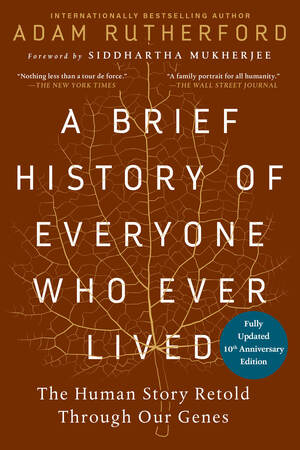
In our unique genomes, every one of us carries the story of our species—births, deaths, disease, war, famine, migration, and a lot of sex. But those stories have always been locked away—until now. Who are our ancestors? Where did they … Continue reading →

A single boundary might, upon closer inspection, reveal eons of history—from epic tales of conquest, treaties, and alliances to intimate, all-too-human stories of love, greed, and folly. None of the lines we know today were inevitable, and all might have … Continue reading →
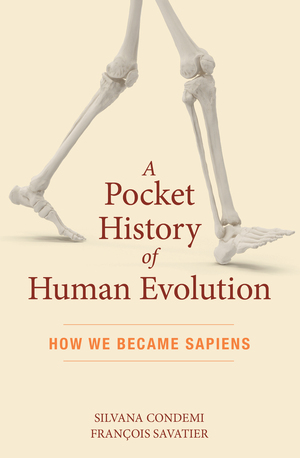
Prehistory has never been more exciting: New discoveries are overturning long-held theories left and right. Stone tools in Australia date back 65,000 years—a time when, we once thought, the first Sapiens had barely left Africa. DNA sequencing has unearthed a … Continue reading →

Did you know that Aretha Franklin was the first woman to be inducted into the Rock & Roll Hall of Fame? Or that the first accounts of a Black samurai in Japan date back almost 500 years ago? Written by … Continue reading →
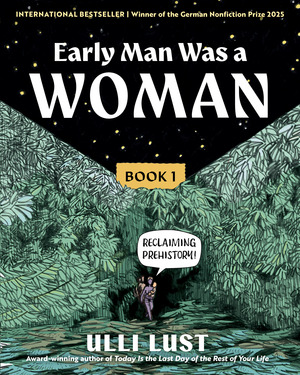
History is written by the victors, and the victors are men. This assumption colors our view of every past era: The fittest survive. The strongest rule. “Human nature” is intrinsically warlike. The record tells a different story. Across the globe, over … Continue reading →
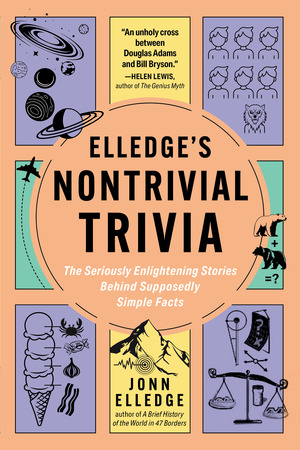
This illuminating compendium follows the captivating stories behind far-ranging facts, wherever they lead. No topic is too trivial for serious consideration, from how one might determine the most average-size country in the world to determining who would win in a … Continue reading →
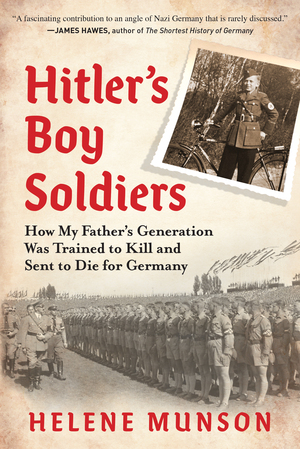
When Helene Munson finally reads her father, Hans Dunker’s, wartime journal, she discovers secrets he kept buried for seven decades. This is no ordinary historical document but a personal account of devastating trauma. During World War II, the Nazis trained … Continue reading →
Did you know that ancient Egyptians mummified beef ribs for their dearly departed to enjoy in the afterlife? That Roman gladiators were relegated to a vegan diet of grains and beans? That the fast-food hamburger was a result of a … Continue reading →
Few people have made a bigger mark on history—and lived such an adventurous life—as Julius Caesar (100–44 BCE). A sickly orphan boy who would climb to the top of the Roman Empire, his life was nothing short of legendary. How … Continue reading →

In her own words and with her own beautiful paintings and drawings, artist Toby Knobel Fluek (1926–2011) lovingly unfurls a unique view of Jewish life. She introduces us to her village, to her family, to the people among whom they … Continue reading →
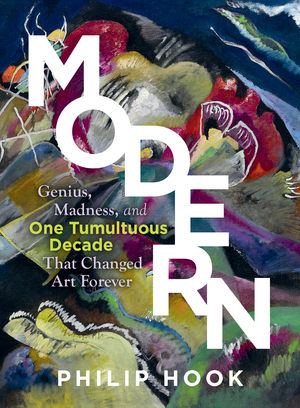
Modern begins on a specific day—March 22, 1905—at a specific place: the Salon des Indépendants in Paris, where works of art we recognize as modern were first exhibited. Drawing on his forty five-year fine art career, author Philip Hook illuminates … Continue reading →
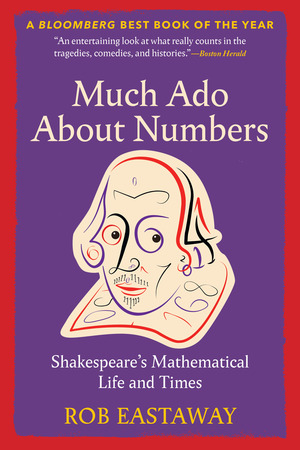
Shakespeare’s era was abuzz with mathematical progress, from the new concept of “zero” to Galileo’s redraft of the heavens. Now, Rob Eastaway uncovers the many surprising ways math shaped Shakespeare’s plays—and his world—through astronomy, code-breaking, time-keeping, navigation, music, games, and … Continue reading →
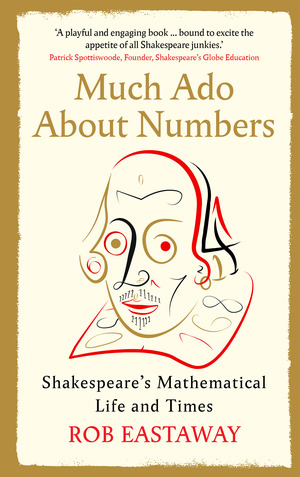
Shakespeare’s era was abuzz with mathematical progress, from the new concept of “zero” to Galileo’s redraft of the heavens. Now, Rob Eastaway uncovers the many surprising ways math shaped Shakespeare’s plays—and his world—through astronomy, code-breaking, time-keeping, navigation, music, games, and … Continue reading →
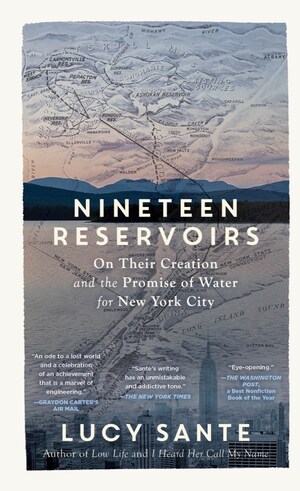
From 1907 to 1967, a network of reservoirs and aqueducts was built across more than one million acres in upstate New York, including Greene, Delaware, Sullivan, and Ulster Counties. This feat of engineering served to meet New York City’s ever-increasing … Continue reading →
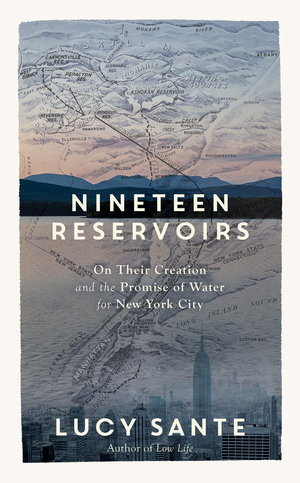
From 1907 to 1967, a network of reservoirs and aqueducts was built across more than one million acres in upstate New York, including Greene, Delaware, Sullivan, and Ulster Counties. This feat of engineering served to meet New York City’s ever-increasing … Continue reading →

In the aristocratic circles of early twentieth-century London, the company was as starched as the tablecloths. But a revolution was on the horizon, in the form of six remarkable society hostesses who would change the political, social, and cultural landscape … Continue reading →
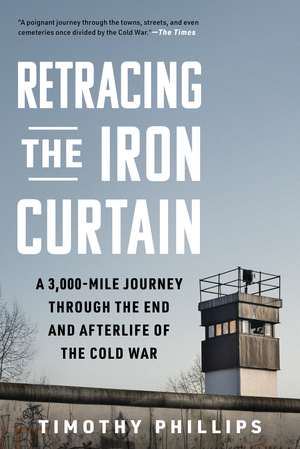
Initially a victory line where Allies met at the end of World War Two, the Iron Curtain quickly became the front of a new kind of war. It divided Europe from north to south for a staggering forty-five years. Crossing … Continue reading →
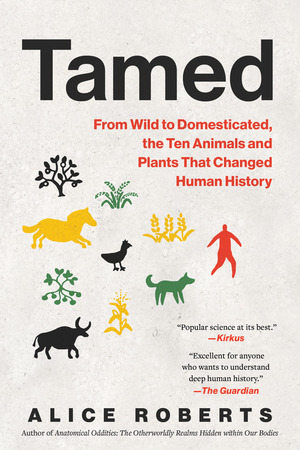
Dogs became our companions. Wheat fed booming populations. Cattle gave us meat and milk. Corn fueled the growth of empires. Potatoes brought feast and famine. Chickens inspired new branches of science. Rice promised a golden future. Horses gave us strength … Continue reading →
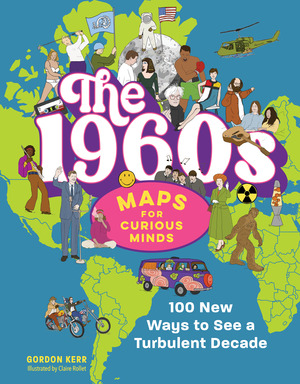
The 1960s had it all: cultural transformation, social upheaval, political unrest, technological leaps, and more. But until now, it’s never been brought to vivid life in such extraordinarily informative maps, brimming with I-never-would-have-thought-of-that insight and delectable illustrations that remind us … Continue reading →
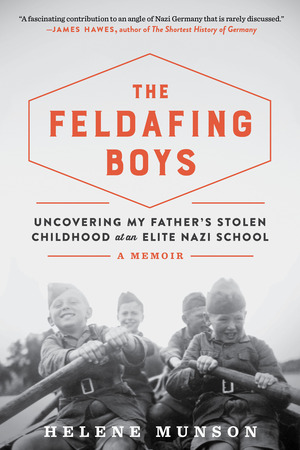
When Helene Munson finally reads her father, Hans Dunker’s, wartime journal, she discovers secrets he kept buried for seven decades. This is no ordinary historical document but a personal account of devastating trauma. During World War II, the Nazis trained … Continue reading →

In December 2010, scientists discovered a fragment of a finger bone in the remote, isolated Denisova Cave in Siberia. To their surprise, the bone contained neither Homo sapiens nor Neanderthal DNA. Rather, the fast-advancing science of paleogenetics revealed that the … Continue reading →
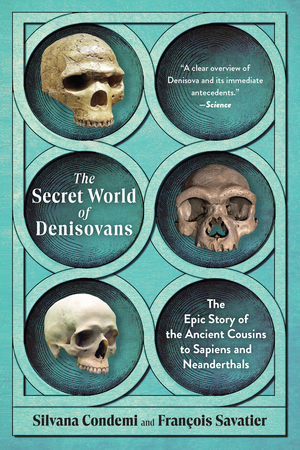
In 2010, archaeologists working in Denisova Cave, Siberia, unearthed a tiny fragment of finger bone—and brought a lost human species to light. Thanks to the modern miracle of DNA analysis, “Denisovans” quickly took their place—alongside Neanderthals—as our closest cousins. Since … Continue reading →
Since Alan Turing first posed the question “Can machines think?” artificial intelligence has evolved from a speculative idea to a transformative force. The Shortest History of AI traces this evolution, from Ada Lovelace’s visionary work to IBM’s groundbreaking defeat of … Continue reading →
Ancient Rome gave rise to the Roman Empire, one of history’s greatest civilizations. It flourished for roughly five hundred years and, at its height, made up at least 20 percent of the world’s population. It left an indelible mark on … Continue reading →
As a land associated with extremes—from remote desert terrain to some of the world’s deadliest creatures—few countries feel as geographically and culturally independent as Australia. While pop-culture references to endless summers proliferate, it’s the lesser-acknowledged eras of Australian history that … Continue reading →

The site of some of the world’s brightest and most devastating ideas, leaders, and movements, Berlin’s history is full of conflict and tension, yet today has embraced a culture that continues to push creative boundaries from art to music. With … Continue reading →

California, one of the biggest and most consequential states in the union, looms even larger in the imagination—for good reason. California’s story is one of constant reinvention. It’s been shaped by each of the peoples who’ve called it home, from … Continue reading →
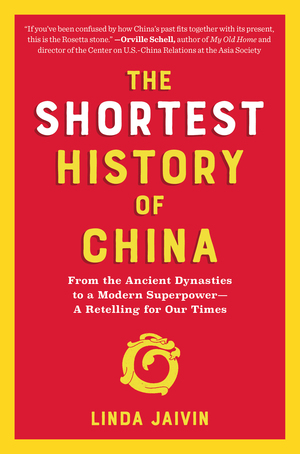
As we enter the “Asian century,” China demands our attention for being an economic powerhouse, a beacon of rapid modernization, and an assertive geopolitical player. To understand the nation behind the headlines, we must take in its vibrant, tumultuous past—a … Continue reading →

Believed by many to stand on mythical ground, Delhi has captivated historians and travelers for centuries with its mysticism and seductive stories, an exhilarating mix of decadence and decay. Its history stretches back thousands of years, through invasions, empires, and … Continue reading →
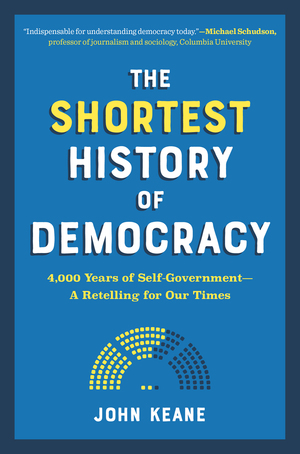
This compact history unspools the tumultuous global story that began with democracy’s radical core idea: We can collaborate, as equals, to determine our own futures. Acclaimed political thinker John Keane traces how this concept emerged and evolved, from the earliest … Continue reading →
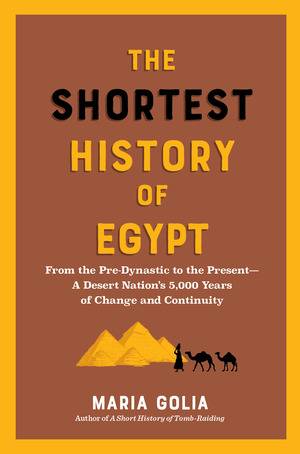
Egypt looms large in the popular imagination, conjuring images of pyramids, pharaohs, tomb raiders, vast deserts, and the world’s longest river, the Nile. Yet its true allure might lie in its impressively long history and what it tells us about … Continue reading →
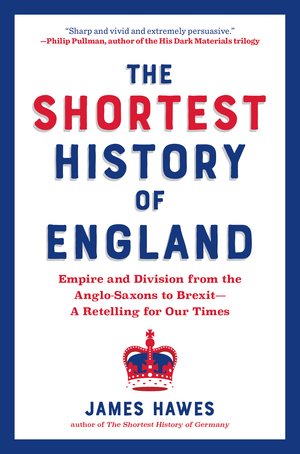
England—begetter of parliaments and globe-spanning empires, star of beloved period dramas, and home of the House of Windsor—is not quite the stalwart island fortress that many of us imagine. Riven by an ancient fault line that predates even the Romans, … Continue reading →
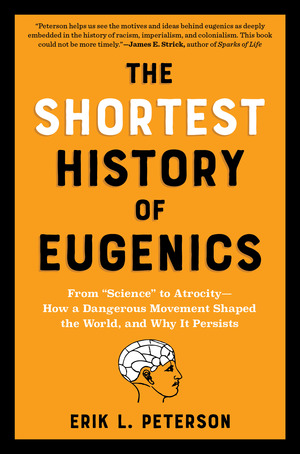
For the last two centuries, groups of influential men have, in the professed interest of fiscal responsibility, crime reduction, and outright racism, attempted to control who was allowed to bear children. Their efforts, “eugenics,” characterize a movement that over the … Continue reading →
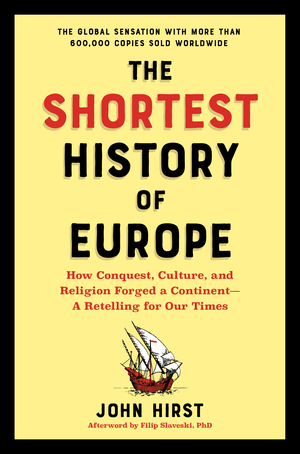
Propelled by a thesis of startling simplicity, celebrated historian John Hirst’s fast-paced account of the making of modern Europe—from Ancient Greece to today—illuminates the continent as never before. Just three elements—German warrior culture, Greek and Roman learning, and Christianity—account for … Continue reading →
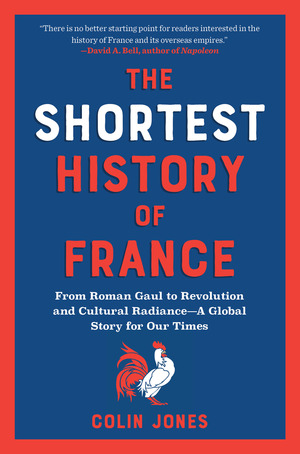
France has long been feted for its unsurpassed cultural and historical riches. Gothic architecture, Louis XIV opulence, revolutionary spirit, café society . . . what could be more quintessentially French? Rarely do we think of France as a melting pot, … Continue reading →
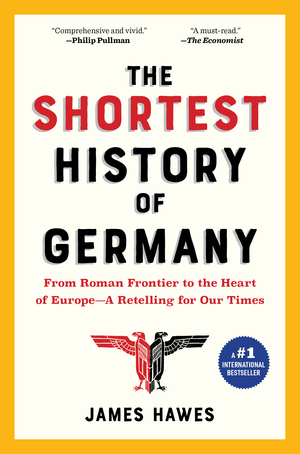
A country both admired and feared, Germany has been the epicenter of world events time and again: the Reformation, both World Wars, the fall of the Berlin Wall. It did not emerge as a modern nation until 1871—yet today, Germany … Continue reading →
Philosophy, art, democracy, language, even computers—the glories of Greek civilization have shaped our world even more profoundly than we realize. Pericles and the Parthenon may be familiar, but what of Epaminondas, the Theban general who saved the Greek world from … Continue reading →
India—a cradle of civilization with five millennia of history, a country of immense consequence and contradiction—often defies ready understanding. What holds its people together—across its many cultures, races, languages, and creeds—and how has India evolved into the liberal democracy it … Continue reading →
Scientists, economists, and historians are always looking into the past in order make informed decisions about how to improve our future. Though our modern-day innovations are often mind-boggling (gene editing and fabricated ecosystems come to mind), they would not exist … Continue reading →

The Emerald Isle has no shortage of cultural touchpoints—from foam-topped pints of Guinness to the poetry of Yeats, raucous St. Patrick’s Day festivities to the music of U2 and Hozier. Ireland has long been understood as a welcoming people and a … Continue reading →
The ongoing struggle between Israel and Palestine is one of the most bitter conflicts in history, with profound global consequences. In this book, Middle East expert Michael Scott-Baumann succinctly describes its origins and charts its evolution from civil war to … Continue reading →
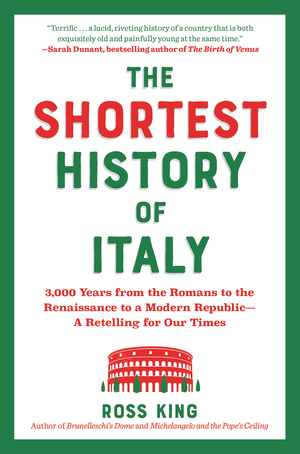
The calendar. The Senate. The university. The piano, the heliocentric model, and the pizzeria. It’s hard to imagine a world without Italian influence—and easy to assume that inventions like these could only come from a strong, stable peninsula, sure of … Continue reading →
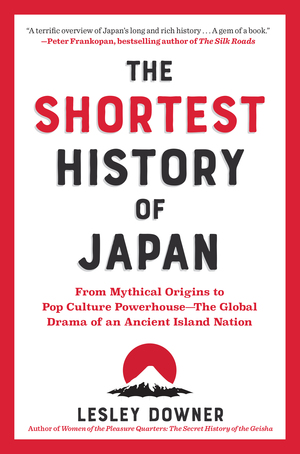
Zen, haiku, martial arts, sushi, anime, manga, film, video games . . . Japanese culture has long enriched our Western way of life. Yet from a Western perspective, Japan remains a remote island country that has long had a complicated … Continue reading →

From the Moors to modernity, Madrid has been variously influenced by saints and politicians, war and art, tradition and change, dictators and democracy. It has long drawn travelers and creatives to experience this blend of tradition and innovation firsthand, most … Continue reading →
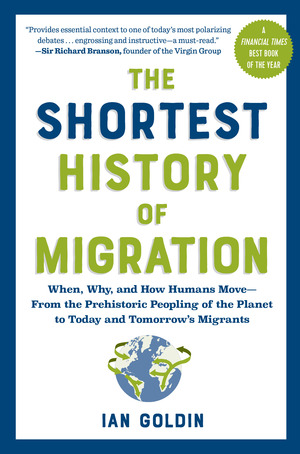
We are a species in motion—from the first steps of Homo sapiens across Africa to America’s “melting pot.” And when we move—in search of better things, or against our will—our beliefs and skills clash and combine, reshaping society time and … Continue reading →
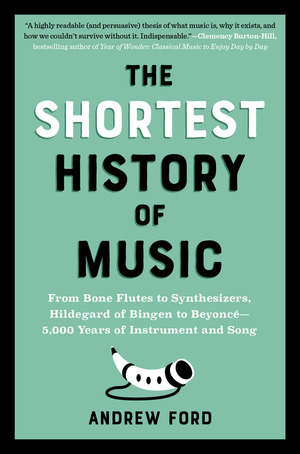
No other art is as popular—or pervasive—as music. With just a few clicks, anyone can cue up (and critique) Chopin or Cher, The Bangles or The Beatles—even the brand-new Beyoncé. But things weren’t always this way. In this brisk, breakneck … Continue reading →
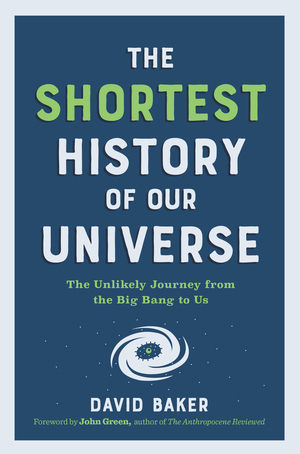
In this thrilling history, David Baker captures the longest-possible time span—from the Big Bang to the present day—in an astonishingly concise retelling. His impressive timeline includes the “rise of complexity” in the cosmos and the creation of the first atoms; … Continue reading →
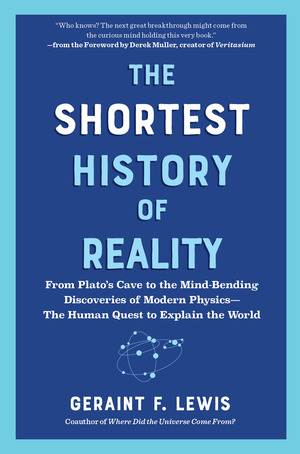
Making sense of our reality has burdened humanity since the very beginning. In their search for answers, scientists, astrophysicists, and cosmologists have revealed incredible insight into our perception of the world around us—but they have also cracked open a Pandora’s … Continue reading →

Rome’s legacy—as a city, religious site, and ancient empire—is unparalleled. The second most-visited city in the entire world, Rome’s nearly three thousand years of history have long captivated travelers, from the historically minded to the culture-obsessed students studying abroad. In … Continue reading →

Scandinavia has long been lauded for its equality, universal welfare, peacefulness, and untouched nature—not to mention its interior design, crime literature, and love of all things hygge. But the Nordic nations have had their dark periods, too: pandemics, wars and … Continue reading →
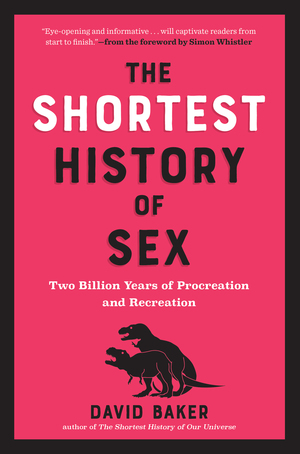
From the first microbial exchanges of DNA to Tinder and sexbots, how did sex begin, and how did it evolve to be so varied and complex in humans? What influence do our genetic ancestors have on our current love lives? … Continue reading →
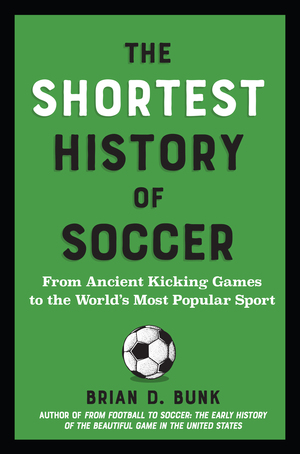
How did a simple kicking game conquer the world? In this concise yet comprehensive history, sports historian Brian D. Bunk traces soccer’s unlikely, meteoric rise, showing how a pastime humbly rooted in English schoolyard contests grew to become the planet’s … Continue reading →
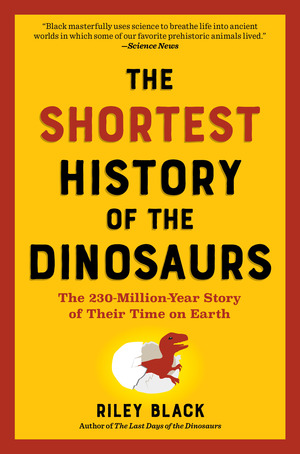
The Shortest History of the Dinosaurs tells the 230-million-year epic of these staggeringly fascinating prehistoric creatures, covering their small beginnings, spectacular golden periods, and stunning evolutionary success—before an unthinkable asteroid event brought everything to a screeching halt. But this history digs … Continue reading →
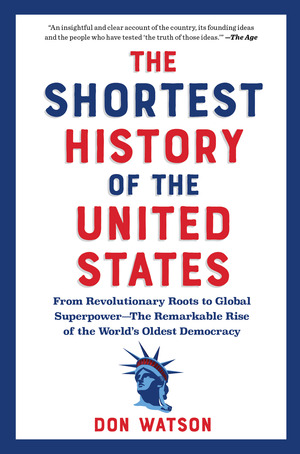
When Britain’s thirteen American colonies declared their independence on July 4, 1776, the United States of America was born. It became a profoundly powerful nation that, for much of its history, has been the crucible of invention and creativity, a … Continue reading →
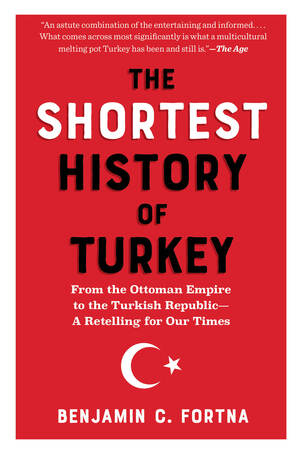
Through more than nine centuries of shifting borders, environmental change, and political evolution, Turkey has been a cultural melting pot and a nation-state bent on ethnic unity. It has seen conquest and reform, appeals to tradition and calls to modernize. … Continue reading →
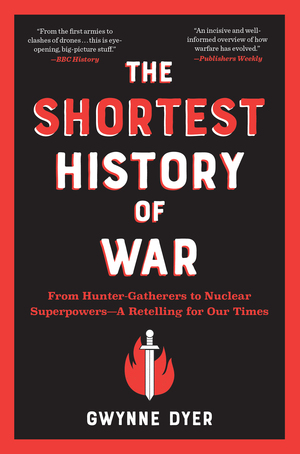
War has changed, but we have not. From our hunter-gatherer ancestors to the rival nuclear powers of today, whenever resources have been contested, we’ve gone to battle. Acclaimed historian Gwynne Dyer illuminates our many martial clashes in this brisk account, tracing … Continue reading →
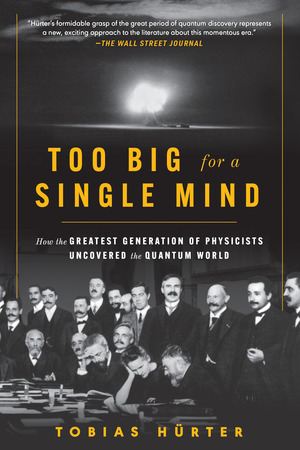
There may never be another era of science like the first half of the twentieth century, when a peerless cast of physicists—Albert Einstein, Marie Curie, Max Planck, Wolfgang Pauli, and others—came together to uncover the quantum world, a concept so … Continue reading →
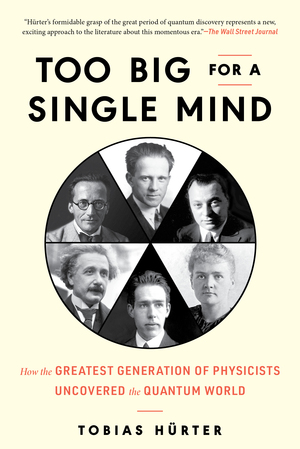
There may never be another era of science like the first half of the twentieth century, when a peerless cast of physicists—Albert Einstein, Marie Curie, Max Planck, Wolfgang Pauli, Niels Bohr, Werner Heisenberg, Erwin Schrödinger, and others—came together to uncover … Continue reading →
From skepticism about the moon landing to the “deep-state” claims of QAnon, it’s always been human nature to believe we’re being lied to by the powers that be (and sometimes, to be fair, we absolutely are). But technology has given … Continue reading →
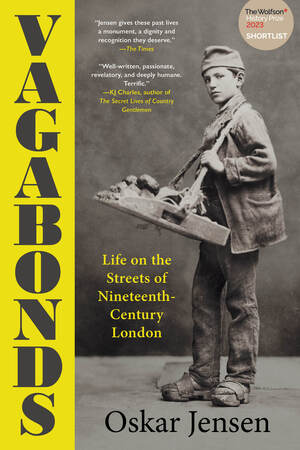
London, 1857: A pair of teenage girls holding a sign that says “Fugitive Slaves” ask for money on the corner of Blackman Street. After a constable accosts them and charges them with begging, they end up in court, where national … Continue reading →
In the US: W. W. Norton & Company (New York)
In Canada: Canadian Manda Group/University of Toronto Press
In the UK, Europe, Australia, New Zealand, and All Other Markets:
W. W. Norton & Company (London)
